Uncovering the Green Implications of Pallet Disposal: A Green Decision
Pallet liquidation embodies an emerging force in sustainable practices, highlighting the significance of reuse and recycling. This practice not only mitigates landfill waste but also encourages local economic advancement. Exploring its environmental consequences exposes a multifaceted dynamic between waste reduction and purchasing patterns. As businesses and communities embrace this model, questions arise about its long-term viability and impact. What does this mean for the future of sustainable practices?
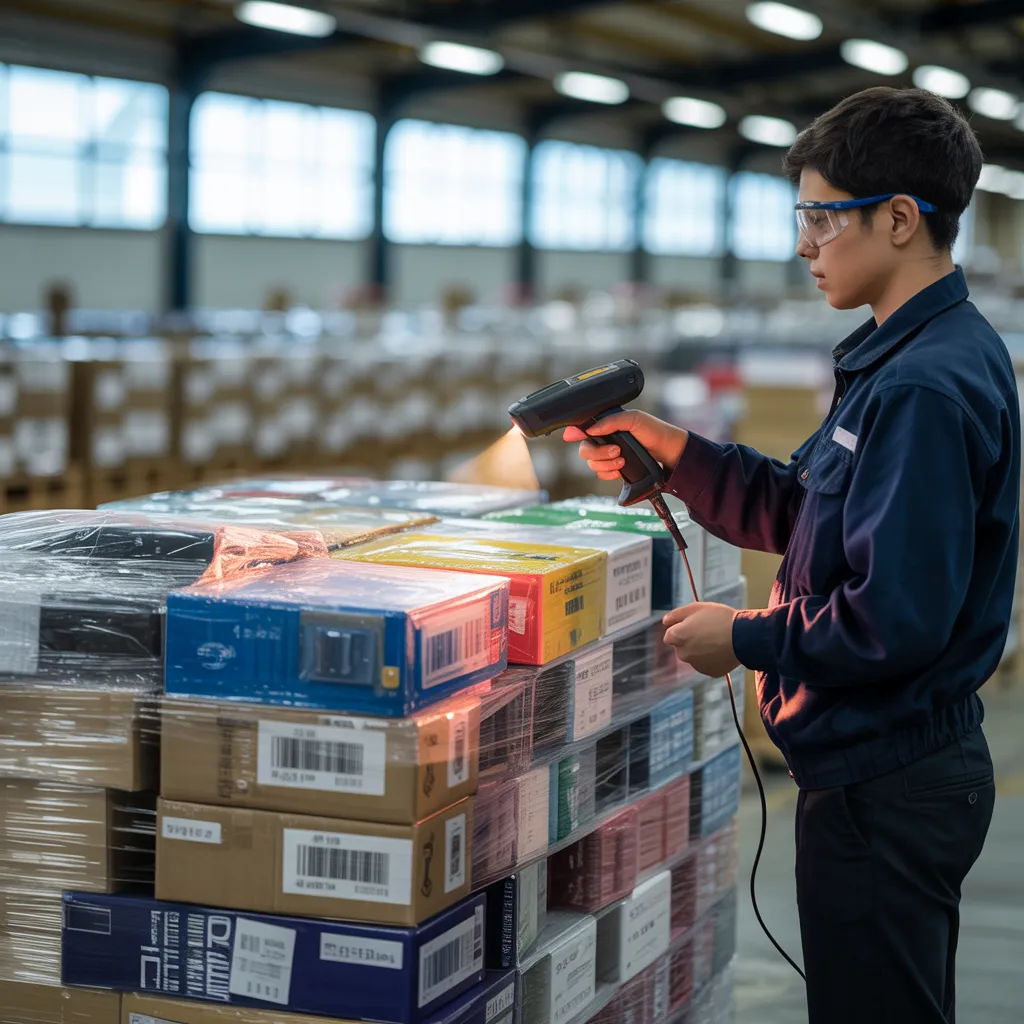
Pallet Liquidation Explained: What It Is and How It Works
Pallet liquidation refers to the practice of selling excess or surplus inventory, usually in bulk quantities, generally using pallets. This practice is common among wholesalers, manufacturers, and retailers who need to clear out unsold or discontinued inventory. Items are typically loaded onto pallets, which simplifies handling and transportation.
During the liquidation process, companies may sell these pallets to liquidators or directly to consumers at discounted prices. Liquidators typically organize, review, and at times recondition the items before selling them to diverse markets, encompassing bargain shops or web-based platforms. Purchasers can obtain a variety of goods, from tech devices to apparel, enabling cost savings for both shoppers and companies. This streamlined method not only aids in inventory management but also provides opportunities for bargain shopping, making it a practical solution for both sellers and buyers.
Environmental Advantages of Pallet Liquidation
While a great deal of attention is given to the economic advantages of pallet liquidation, its environmental benefits are just as important. The pallet liquidation process supports sustainability by encouraging materials to be reused and recycled. This process reduces the demand for new resources, thus helping to preserve forests and reduce energy usage connected to the creation of new pallet materials.
Moreover, it reduces landfill waste, as a significant number of pallets that would otherwise be discarded are refurbished or repurposed. This practice not only extends the lifecycle of the pallets but also minimizes the carbon footprint connected to waste management.
Furthermore, pallet liquidation helps in decreasing carbon emissions. By reducing the need for manufacturing new pallets and transporting them, the overall greenhouse gas output is decreased. At its core, pallet liquidation serves as a effective solution for companies striving to align their operations with sustainable practices, making it an important component of a environmentally sound supply chain.
Reducing Waste With Pallet Liquidation
Pallet liquidation plays an essential role in minimizing waste by diverting excess inventory from landfills. This process not only repurposes unused products but also supports local businesses that can take advantage of the access to discounted merchandise. By encouraging a circular economy, pallet liquidation contributes to more sustainable consumption practices.
Diverting Landfill Waste
A considerable portion of the waste found in landfills can be linked to discarded consumer goods, making effective waste diversion strategies critical. Pallet liquidation services serves as a proactive approach to addressing this problem. By redirecting surplus goods and remaining inventory, businesses can prolong the lifecycle of these goods, substantially minimizing the amount that ends up in landfills. This approach not only reduces the strain on waste handling infrastructure but also promotes a circular economy. Companies engaging in pallet liquidation support long-term sustainability goals by finding new markets for their excess products, thereby reducing waste and preserving valuable resources. At its core, this strategy encourages an eco-conscious method of managing inventory while addressing the critical need for effective waste diversion.
Repurposing Unused Inventory
Smart waste diversion approaches not only emphasize minimizing landfill contributions but also on innovatively repurposing excess inventory. Pallet liquidation presents a distinctive chance to breathe new life into excess goods that might otherwise be discarded. Businesses can transform unsold items into valuable resources, such as donating products to charities or repackaging them for resale. This method not only lessens environmental impact but also promotes inventiveness in product application. To illustrate, leftover clothing might be repurposed into reusable textile items, while excess electronic devices can be reconditioned. By employing pallet liquidation, organizations can successfully oversee excess inventory, cut down on waste, and champion sustainability, ultimately fostering a circular economy that embraces resourcefulness and environmental accountability.
Supporting Local Businesses
Liquidation of surplus inventory plays a critical part in helping local businesses thrive while at the same time cutting down on waste. By enabling the redistribution of surplus products, inventory liquidation gives smaller companies with access to affordable products that would otherwise go unsold. This method not only enables these businesses to succeed but also builds a stronger community bond, as local retailers can provide distinctive products at affordable rates. Moreover, sourcing from liquidation sales decreases the environmental impact associated with manufacturing new goods, thus reducing resource use and landfill contributions. The process supports a circular economic model, where goods are recycled and given new purpose, supporting environmental sustainability. Ultimately, pallet liquidation serves as a crucial mechanism for economic growth and environmental stewardship within local markets.
Savings and Revenue Prospects Through Pallet Liquidation
Pallet liquidation provides considerable financial advantages for companies by enhancing profit margins and lowering inventory overhead. Organizations can transform surplus stock into revenue, thereby improving financial liquidity. This approach not only enhances profitability but also streamlines operations by alleviating the challenges of surplus inventory.
Optimizing Profit Margins
Leveraging pallet liquidation opportunities can significantly boost profit margins for companies. By acquiring unsold inventory at reduced prices, companies can capitalize on significant cost savings. This approach not only reduces operational costs but also enables competitive resale pricing, drawing in a wider range of customers. Additionally, businesses can diversify their product offerings by sourcing different types of pallets, thereby tapping into various market segments. The ability to quickly turn over inventory through liquidation channels enables firms to maintain cash flow, reducing financial strain. In addition, collaborations with liquidation providers can optimize business operations, granting access to essential resources and industry knowledge. Ultimately, strategically utilizing pallet liquidation can result in higher revenue and enhanced profit margins.
Cutting Inventory Costs
Businesses can markedly reduce inventory costs via strategic participation in liquidation procedures. Through selling surplus or outdated inventory in large quantities, organizations can swiftly turn dormant stock into revenue, minimizing holding costs associated with unsold products. Liquidation not only optimizes inventory control but also lessens the threats of markdowns and stock obsolescence. Additionally, partnering with liquidation firms can provide access to wider markets, enabling businesses to reach customers who benefit from discounted goods. This method unlocks opportunities for extra revenue, improving financial versatility. At its core, efficient pallet liquidation provides a double advantage: it reduces inventory costs while promoting sustainability through the responsible redistribution of goods, providing value to both the organization and the natural world.
The Role of Recycling in Pallet Liquidation
Recycling serves a vital function in the pallet reclamation process, transforming discarded wooden pallets into valuable resources. This approach not only reduces waste but also supports a sustainable economy, where resources are repurposed rather than thrown away. Repurposed pallets can be renewed for sustained use in logistics and storage, greatly extending their lifespan.
Additionally, the recycling process can include breaking down pallets into base components, which can then be utilized for creating new products, such as furniture, mulch, or biofuel. This reduces the demand for new timber, conserving forests and minimizing the carbon footprint connected to processing and logging.
Businesses engaging in pallet liquidation commonly recognize that recycling improves their sustainability standing, attracting eco-friendly consumers. In summary, recycling functions as a vital element in the pallet liquidation process, promoting resource conservation and environmental responsibility while delivering economic advantages.
How to Apply Sustainable Pallet Liquidation Methods?
Adopting eco-friendly pallet liquidation procedures demands a methodical approach that focuses on environmental responsibility. Businesses must first review their current pallet inventory and identify opportunities for recycling, reuse, or repair. Creating partnerships with local recycling centers or organizations can streamline the responsible disposal of worn pallets, decreasing landfill contributions.
Additionally, businesses should create a consistent approach for managing pallet usage and condition, enabling proactive management and minimizing waste. Training employees on sustainable practices and the value of pallet upkeep can significantly boost longevity.
In addition, adopting a closed-loop framework can guarantee that pallets are returned and reused within the supply chain, supporting circular economy practices. Finally, companies should convey their sustainability goals to stakeholders, encouraging a culture of sustainability awareness. By following these measures, organizations can considerably lessen the sustainability challenges associated with pallet management while building a more environmentally responsible approach.
Emerging Trends in Sustainable Pallet Management
A rising emphasis on sustainability is influencing the future of pallet management, with innovative practices emerging to address environmental concerns. As companies strive to reduce their environmental impact, the adoption of eco-friendly materials for pallets is on the rise. Eco-conscious and recyclable resources are becoming increasingly widespread, reducing waste and promoting a circular economy.
Additionally, developments in technology are enabling more efficient monitoring and management of pallets, enabling companies to maximize their utilization and lengthen the lifecycle of each pallet. Digital platforms are increasingly utilized to simplify the pallet disposal and rental processes, improving accountability and transparency.
Furthermore, partnerships among industry participants—producers, distribution specialists, and sellers—is cultivating shared responsibility for pallet sustainability. This collaborative method not only improves resource utilization but also drives innovation. All things considered, the direction of pallet practices is poised to be more sustainable, guided by cutting-edge technology, shared goals, and a firm commitment to sustainability.
Frequently Asked Questions
What Product Types Are Typically Available in Pallet Liquidation?
Pallet liquidation commonly features a diverse array of products including electronics, home goods, clothing, and furniture. Retailers commonly sell off surplus stock, seasonal merchandise, or returned goods, resulting in mixed pallets. Such pallets can include brand-new items, refurbished products, or slightly damaged goods. The diverse selection lets shoppers uncover remarkable bargains, attracting both wholesalers and individuals seeking budget-friendly choices. The surprise nature of the merchandise introduces an exciting dimension to the liquidation journey.
How Does Pallet Liquidation Impact Local Economies?
Pallet liquidation positively impacts local communities by supplying budget-friendly goods to buyers and creating business opportunities for resellers. It empowers small enterprises to grow by buying excess inventory at discounted rates, which may then be offered for sale at a markup. Furthermore, the process fosters job creation in distribution and retail fields, as a growing number of individuals participate in purchasing, organizing, and reselling liquidation merchandise, thereby stimulating economic activity within the community.
Are There Rules and Regulations That Oversee Pallet Liquidation Practices?
Indeed, rules controlling pallet liquidation practices exist, differing by location. These regulations frequently address safety requirements, waste management, and environmental safety. Municipal bodies may impose requirements to confirm that pallet discarding and processing procedures do not harm the environment. Furthermore, businesses participating in pallet liquidation must adhere to professional benchmarks to foster long-term viability and responsible conduct, thereby influencing how they conduct business within the industry and their influence over community economies.
Can Pallet Liquidation Apply to Non-Retail Products?
Pallet liquidation is certainly applicable to non-retail items. Various industries, including manufacturing and logistics, often liquidate excess inventory, equipment, or materials. This process allows businesses to recover costs by selling these items in bulk, often at discounted prices. Items outside of retail, such as machinery, office supplies, or industrial components, can be repurposed through liquidation, encouraging resource efficiency and minimizing waste. Consequently, pallet liquidation serves as a viable option beyond traditional retail contexts.
What Risks Come With Pallet Liquidation?
The risks associated with pallet liquidation encompass the likelihood of financial losses resulting from merchandise that fails to sell, inconsistencies in product quality, and the chance of receiving damaged merchandise. Furthermore, customers could encounter difficulties when determining the real value of the pallets, causing unanticipated financial burdens. The potential for legal problems exists when items are inaccurately represented or carry harmful materials. find out more Ultimately, exercising caution and conducting comprehensive evaluations are vital steps to minimizing these risks efficiently.